hirty-one and a half years: that is the length of the concession Casablanca has just handed to a consortium led by Switzerland’s Kanadevia Inova, paired with Morocco’s Nareva and Japan’s Itochu, to build, finance and run its future waste-to-energy plant. The agreement, signed Monday 3 August alongside the National Office of Electricity and Drinking Water and the regional utility Casablanca-Settat, covers a 1.5 billion dollar investment for a facility built beside the Mediouna landfill, the kingdom’s largest. Once complete, it will process about 1.5 million tonnes of waste a year and generate up to 126 megawatts, drawn from household refuse, landfill gas and a solar top-up.
The Mediouna landfill has swallowed most of the economic capital’s waste for decades, at the cost of methane the city never captured. Casablanca will now dismantle that habit piece by piece: construction is due to begin by the end of the year, financing permitting, and commercial operations open in mid-2030, when power drawn from the trash starts feeding a grid still running on coal and gas. The Moroccan firm Somagec will build the plant. For Kanadevia Inova, it is an African first; for Casablanca, a wager on eight million residents whose garbage will, one day, come home as electricity.
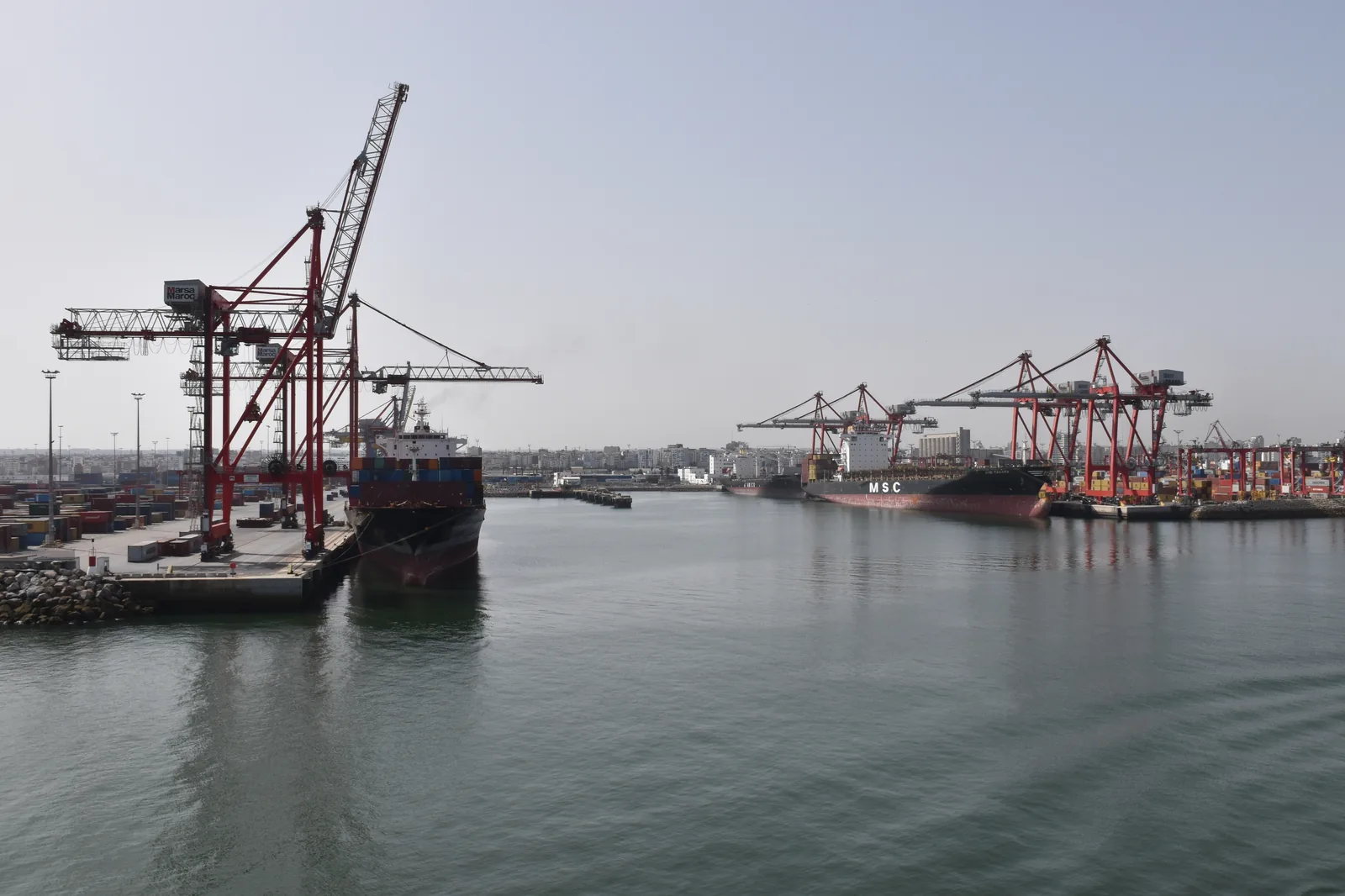
Photo: Niels Johannes, CC BY-SA 4.0.
Kanadevia Inova - Concession signing announcement, 4 August 2026