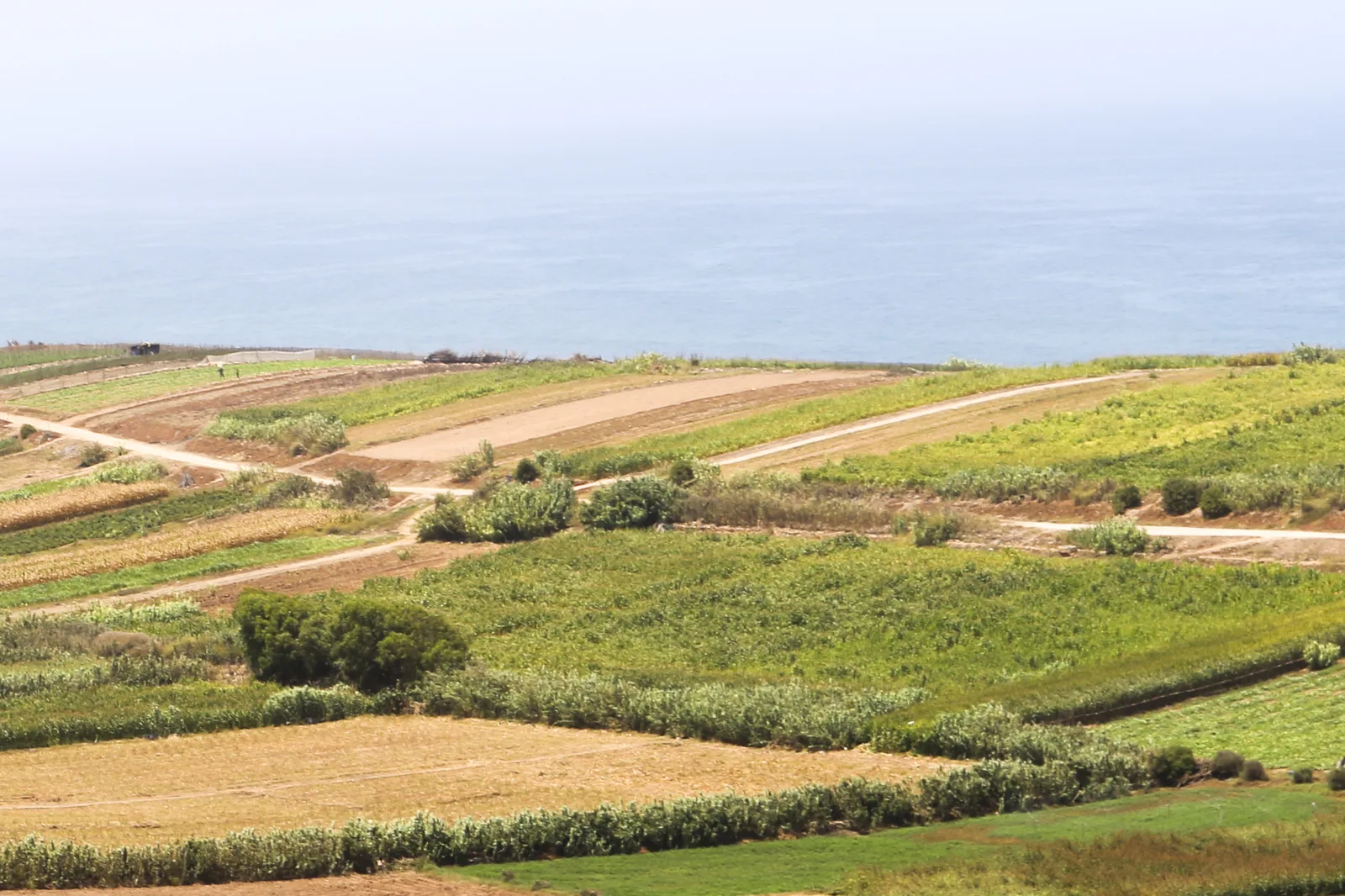
Eighteen Andalusian buttonquails landed at the port of Algeciras on September 9 and were taken to the biodiversity conservation center of the Zoobotanico de Jerez. They were born in Morocco, from eggs located in the nest and then incubated to hatching.
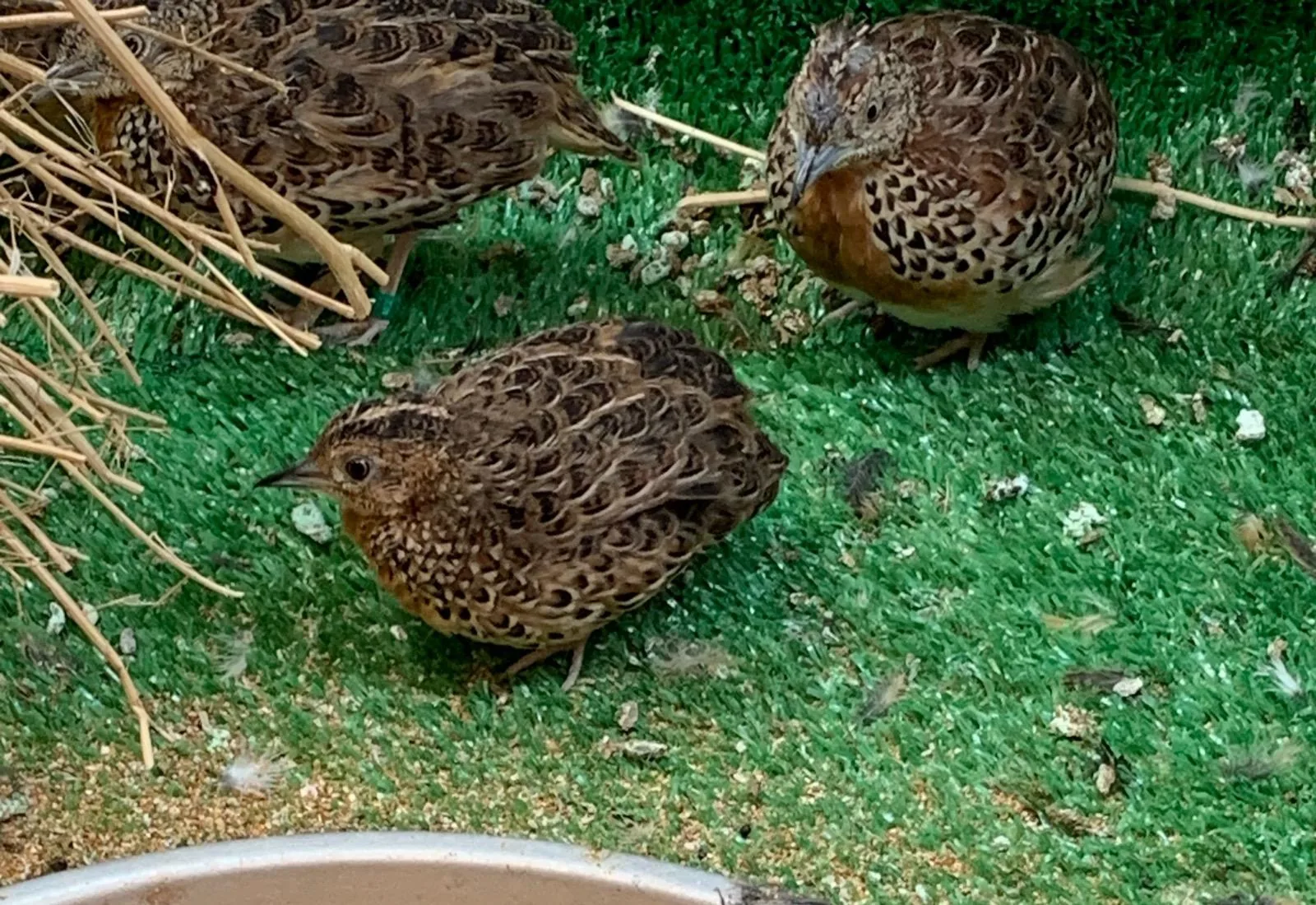
The regional government of Andalusia reads the arrival as a new stage toward a reintroduction in Spain, where the bird has vanished. Turnix sylvaticus sylvaticus, one of the most threatened taxa in the world, survives with certainty only on the Moroccan Atlantic coast, in the Oualidia region, where probably a few hundred birds remain.
On September 17, Morocco’s National Agency for Water and Forests set out its own ex situ conservation program. Two breeding nuclei will live in parallel, one at the Ain Sebaa zoological park in Casablanca, the other at Jerez, managed together.
The method is the one that brought back the Iberian lynx. The financing comes from compensatory measures attached to renewable-energy projects in Cadiz and Seville.
The bird that carries the name of Andalusia had left it, driven out by coastal urbanization and the intensification of farming in the 19th and 20th centuries. It will return there, if it returns at all, out of a Moroccan field.
Photo: Mounir Neddi, CC BY-SA 4.0.
Junta de Andalucía, Consejería de Sostenibilidad y Medio Ambiente - Llegan a la comunidad 18 torillos andaluces para iniciar la cría en cautividad de la especie en Jerez
Médias24 - Biodiversité: l’ANEF au chevet du Turnix d’Andalousie
Le360 - Turnix d’Andalousie: les eaux et forêts lancent un programme de conservation
Hespress - Turnix d’Andalousie: l’ANEF renforce son dispositif pour préserver une espèce menacée