ublished in the journal Historical Metallurgy, a study by researchers from the Cyprus Institute, the British Museum and the Institut National des Sciences de l’Archeologie et du Patrimoine casts Tamdoult, in Tata province, as a metallurgical center of the first order.

Four excavation campaigns, between 2018 and 2023, mapped slag heaps, furnaces, crucibles and molds. The analyses attest to regular silver production by cupellation and to mastery of brass, cast into long ingots.
Tamdoult thus appears as a place of production, not merely a stage where metals from the South passed through.
Mentioned as early as the late 9th century by the geographer Al-Yaqubi, the city held the road from Sijilmassa towards West Africa. Radiocarbon dates between 1233 and 1430 place it in occupation until the 14th century at least.
Primary smelting was done on the outskirts while silver and brass were worked within the fortified enclosure, a division that betrays the value attached to the metal. Further campaigns will say where those ingots went.
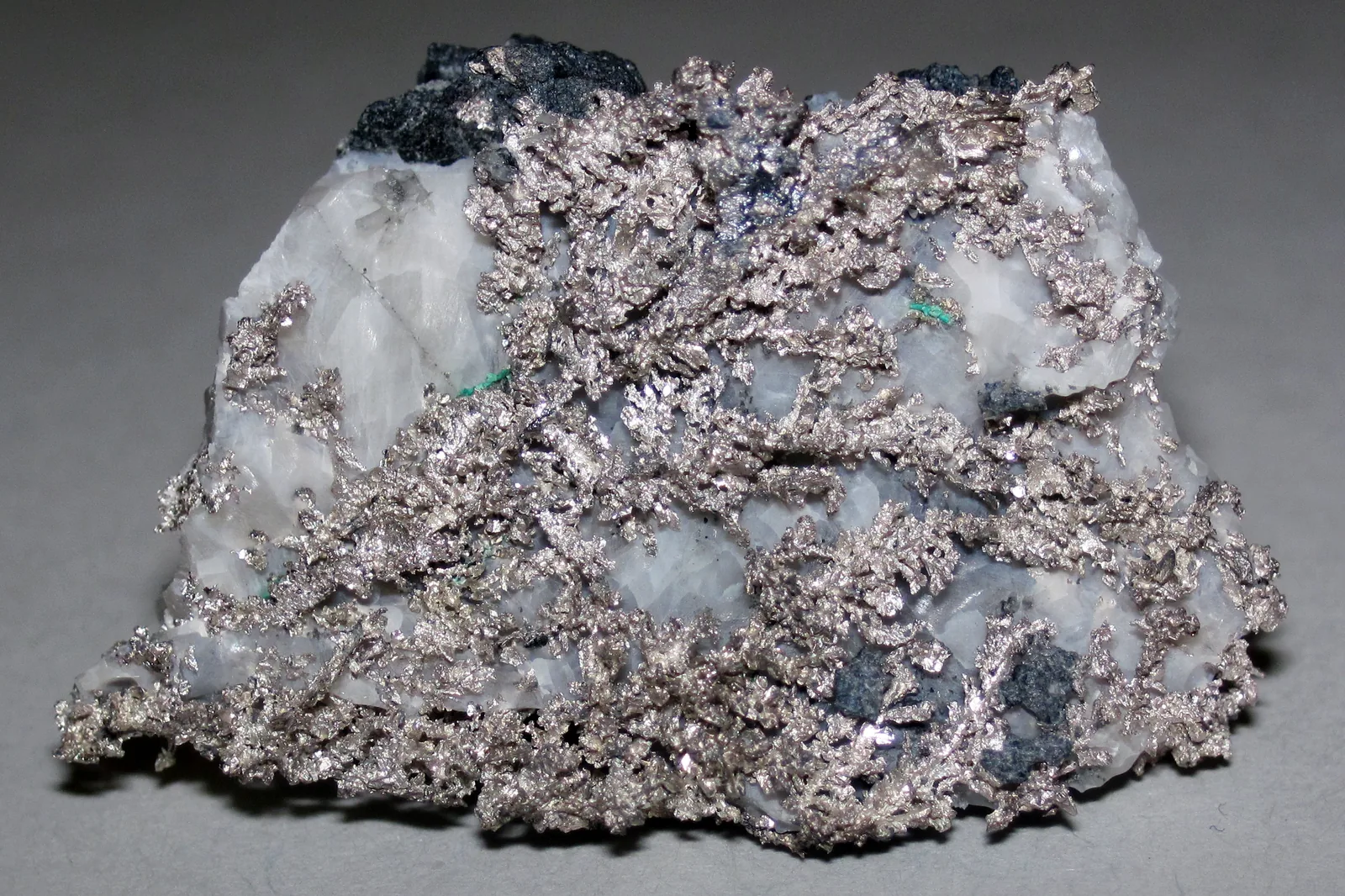
Photo: James St. John, CC BY 2.0.
Historical Metallurgy - Multiple metallurgies in Medieval Tamdult, a mining, smelting and caravan town in southern Morocco