oroccan pharmacologist Adnane Remmal received the UNESCO-Equatorial Guinea International Prize for Research in the Life Sciences on November 6, at UNESCO headquarters in Paris. A professor at Sidi Mohamed Ben Abdellah University in Fes, he shares this tenth edition with China’s Nancy Ip and Spain’s Carlos Martin Montanes.
UNESCO honors his work against antimicrobial resistance, which it counts among the greatest public health challenges of our time. It led to OLIPEN, an antibiotic combined with an essential oil component, approved for clinical use in Morocco against multidrug-resistant infections.
The researcher also developed natural alternatives to antibiotics for livestock farming, in order to reduce their use and make food production safer and more sustainable.
The two other laureates are rewarded for their work on Alzheimer’s disease and on a live attenuated tuberculosis vaccine.
The three scientists will share a prize of 300,000 dollars, and each will receive the “Integracion Tribal” statuette by Equatorial Guinean artist Leandro Mbomio Nsue.
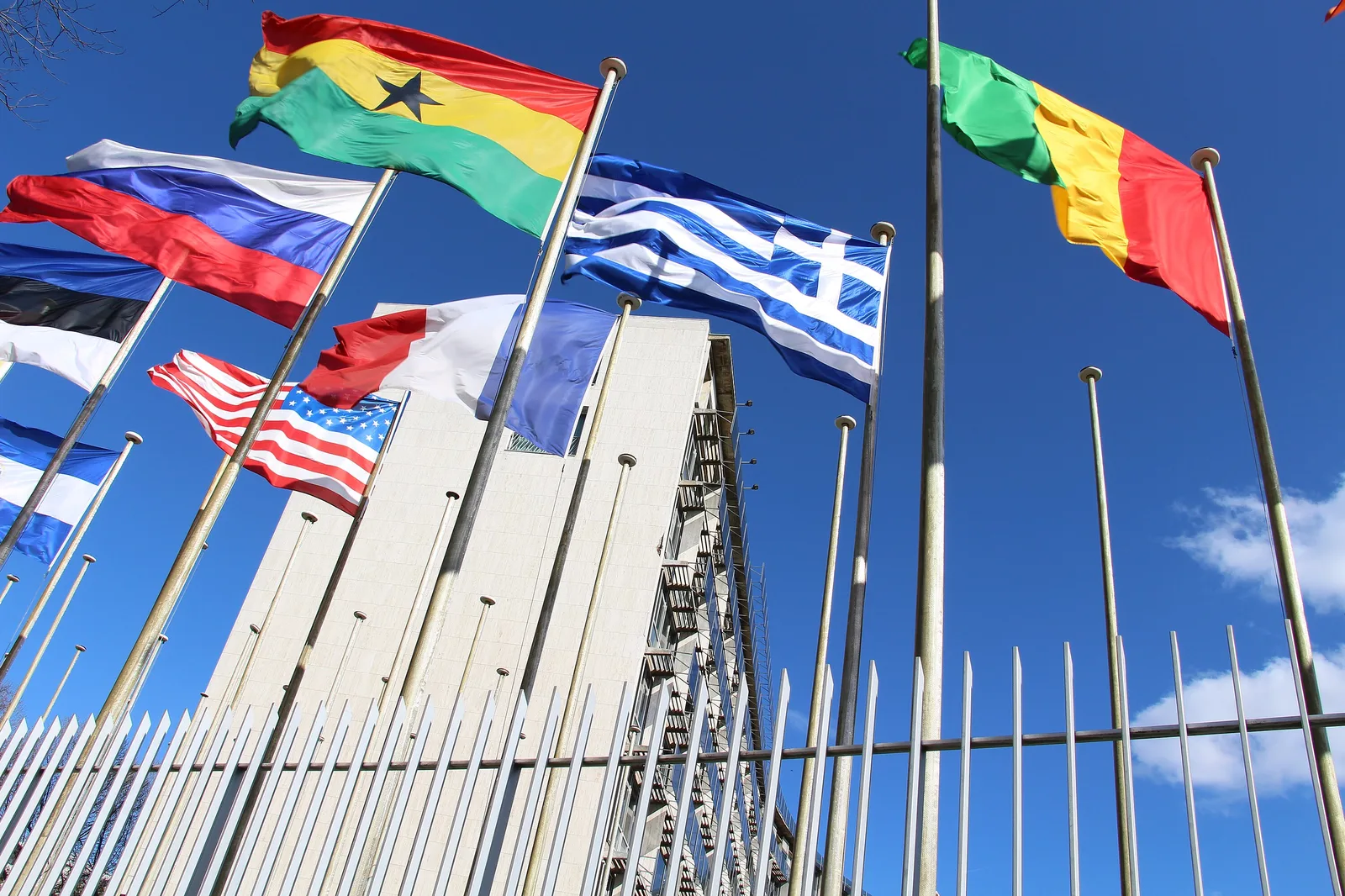
Photo: Fred Romero from Paris, France, CC BY 2.0.