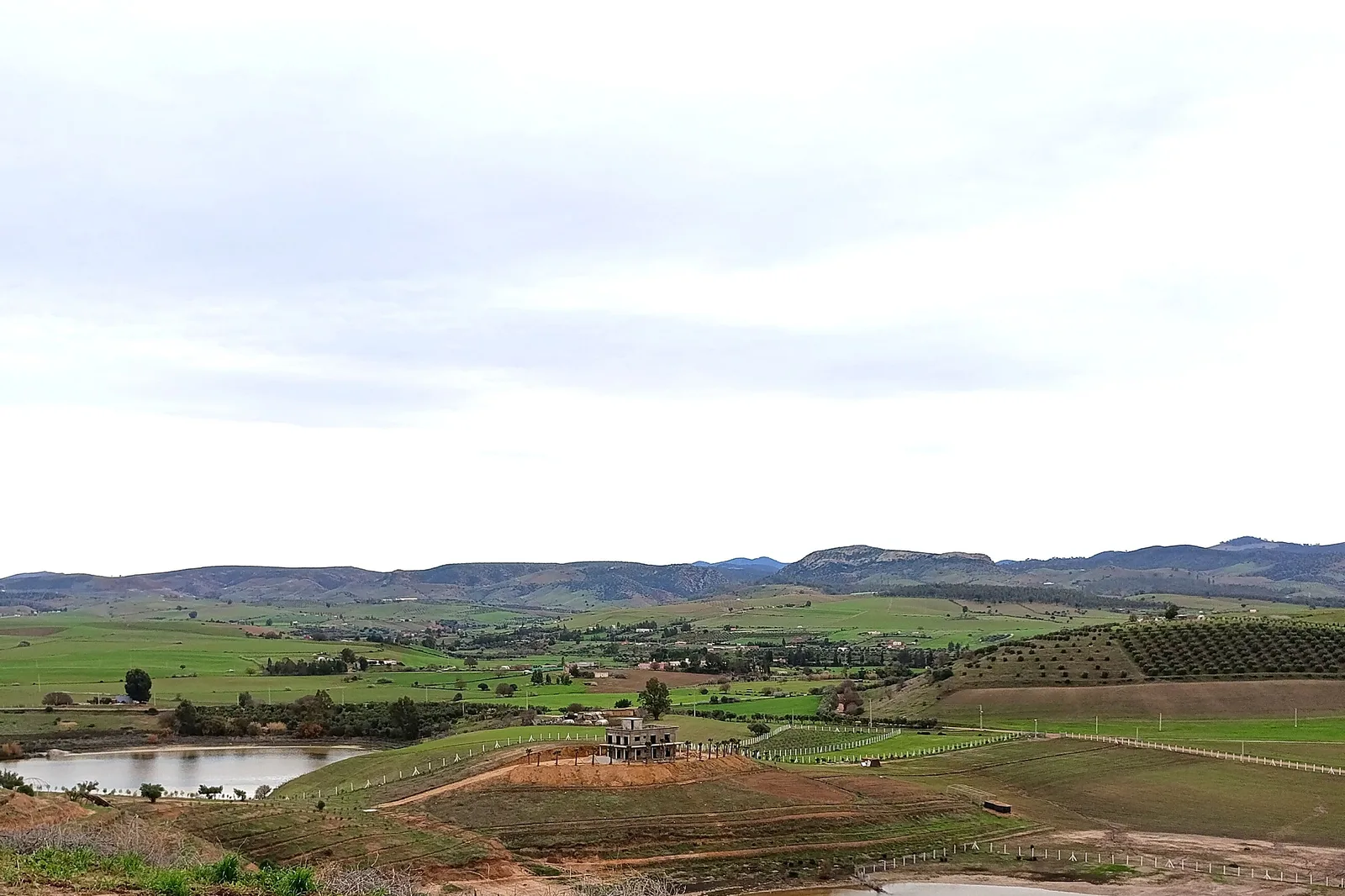
cross the narrows of a ridge above the Oued Beht, in Khemisset Province, a ditch 1.84 meters wide, an earthen rampart and a wall preserved to 2.30 meters thick close off the approach. The Oued Beht Archaeological Project’s third field season, published on September 7 in the journal Libyan Studies, has managed to date them.
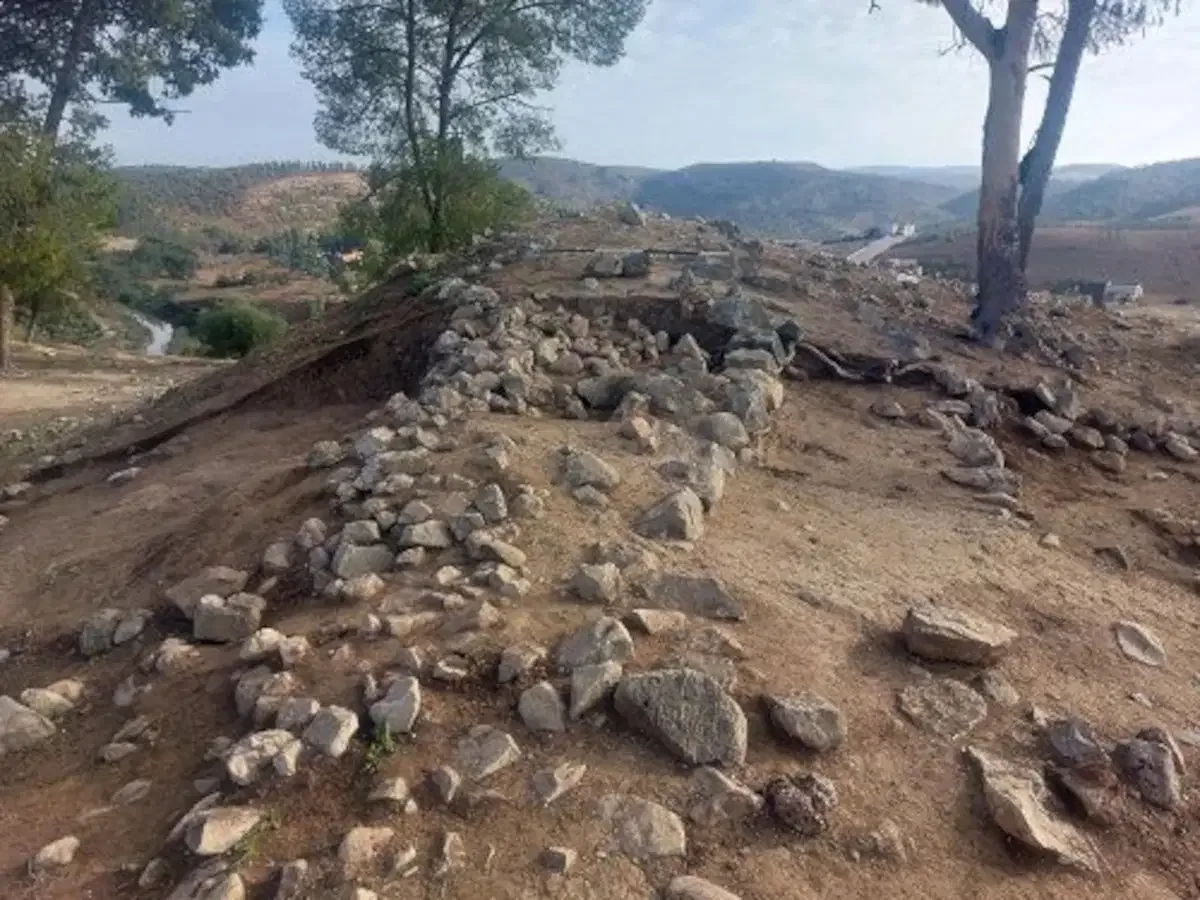
Radiocarbon places the main construction phase between 1896 and 1623 BC. Reported since the 1930s by a protectorate inspector of historic monuments, the structure is, to date, the oldest known defensive system in North Africa outside the Nile Valley.
The settlement was no hamlet: earlier seasons credited it with 9 to 10 hectares occupied from the Final Neolithic. The rampart belongs to the Bronze Age, and a medieval stone wall still crowns it.
Its co-director, Youssef Bokbot, tells Medias24 that the excavated sectors cover less than 1% of the estimated area, and that his team has had no access to the site for two years for want of funding and permits.
What the ridge still holds will therefore be counted in generations of researchers.
Photo: Delpha, CC BY-SA 4.0.
Libyan Studies - Expanding Oued Beht: Final Neolithic, Bronze Age, medieval and later discoveries from excavation and survey in 2023
Ministero degli Affari Esteri e della Cooperazione Internazionale - Morocco: The Oued Beht Archaeological Project uncovers the oldest known defensive structure in North Africa beyond the Nile Valley
Médias24 - Oued Beht: ce que les fortifications révèlent des sociétés préhistoriques marocaines