he U.S. State Department published its 2026 report on Morocco’s investment climate at the end of September, an annual assessment written for American companies. The document describes a country positioning itself as a regional manufacturing and export hub on the strength of its geography, its free trade agreements, its political stability and its infrastructure, and investing heavily in roads, rail, airports, stadiums and ports ahead of the 2030 World Cup. It points, however, to inefficient bureaucracy, nontransparent decision making, corruption and the slow pace of regulatory reform, and notes that the Kingdom has no investment screening process for critical industries such as telecommunications, defense, and critical minerals and rare earths.
The report recalls that Morocco remains the only African country with a free trade agreement with the United States, and that bilateral trade in goods has grown nearly eightfold since it came into effect. It lists the sector restrictions that remain: a 49% cap on foreign capital in air and maritime transport and in maritime fisheries, a ban on foreigners owning agricultural land, which they may nonetheless lease for up to 99 years, and the compulsory 25% share that ONHYM keeps in any hydrocarbons license. It finally cites the High Commission for Planning, which puts unemployment among 15 to 24-year-olds at about 37.2%. All of it will land on the new government’s desk.
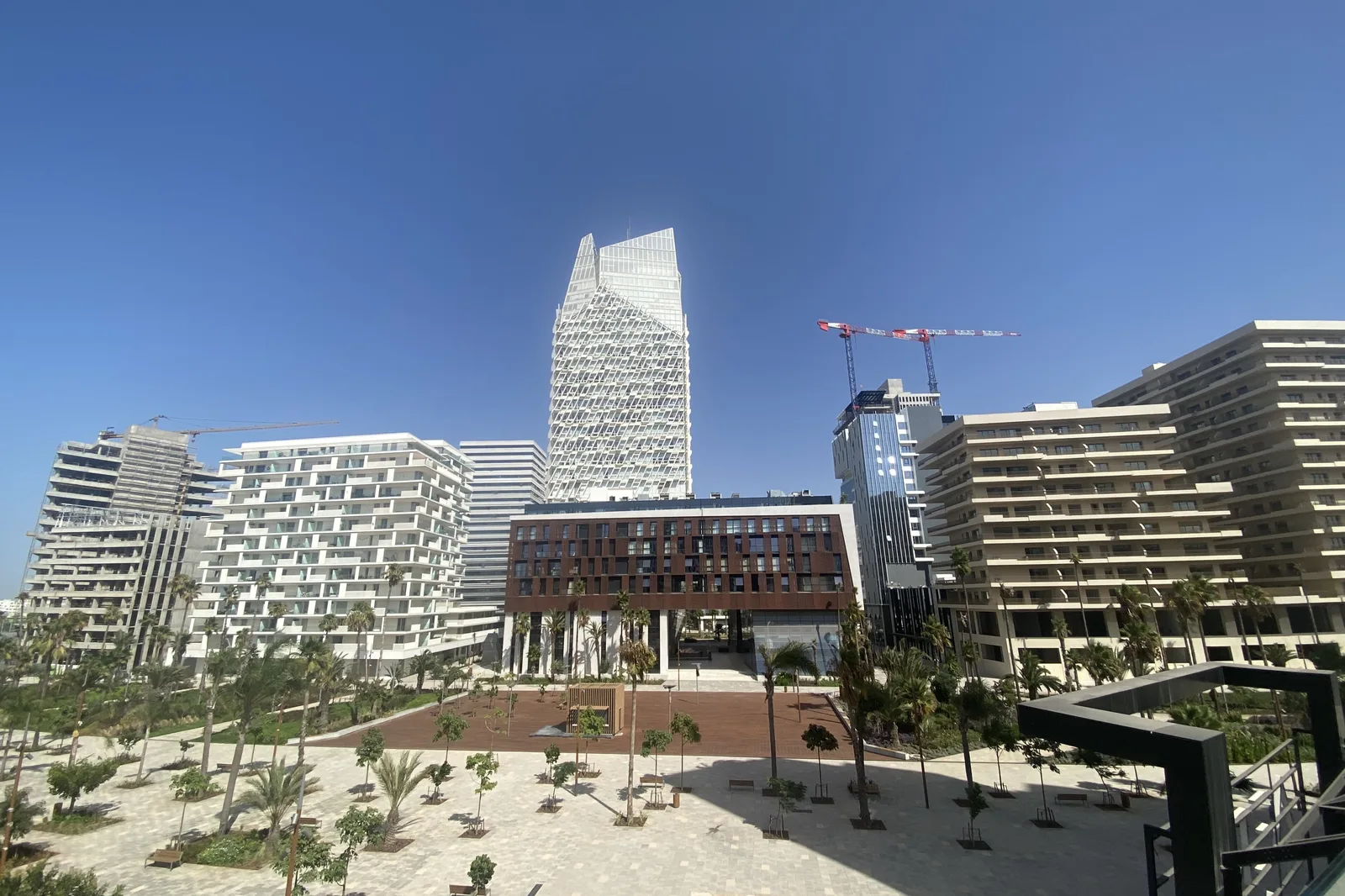
Photo: AyourAchtouk, CC BY-SA 4.0.
U.S. Department of State - 2026 Investment Climate Statements: Morocco
Wikimedia Commons - Casablanca Finance City 21, AyourAchtouk, CC BY-SA 4.0