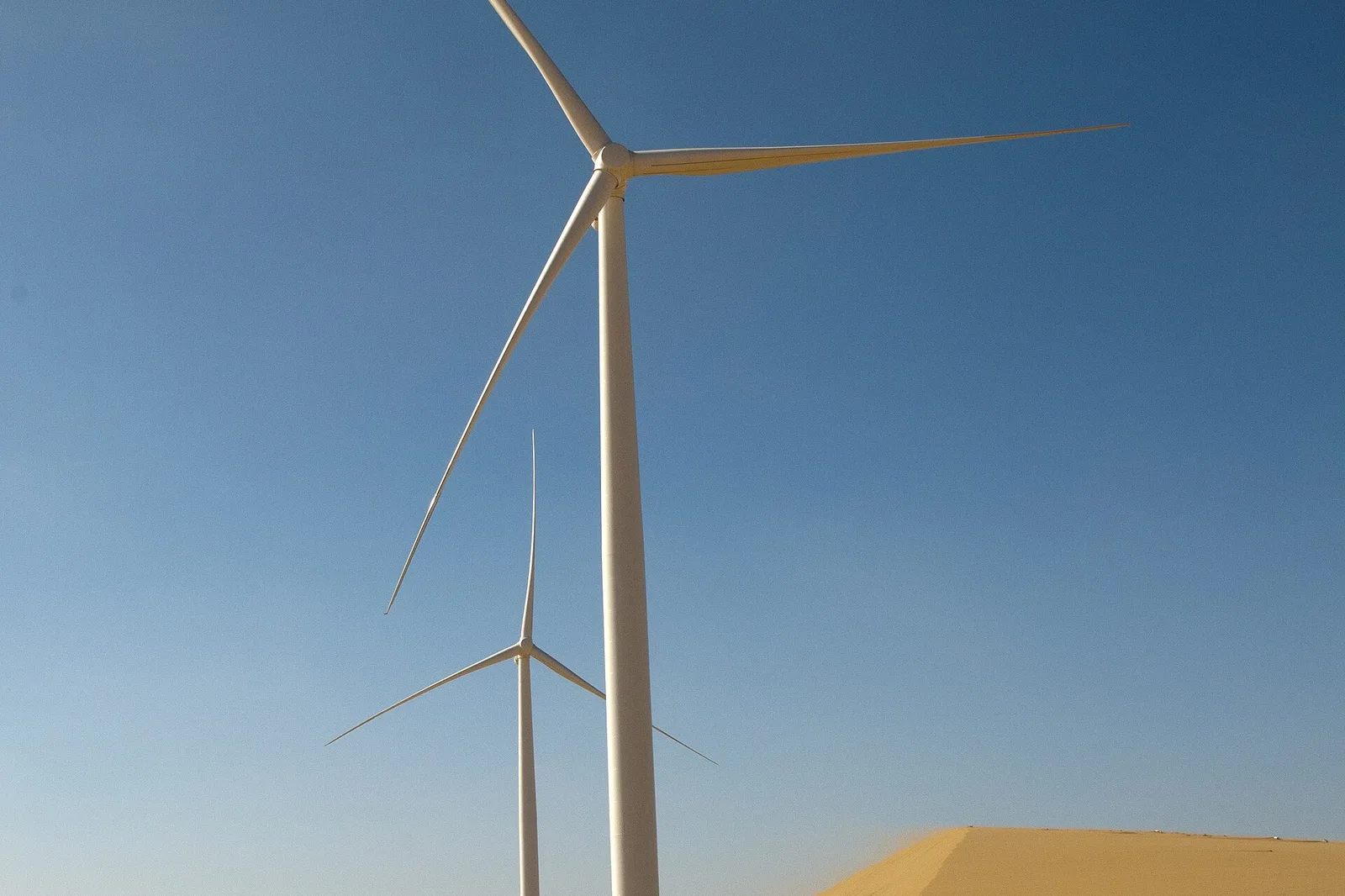
our researchers from ENSET, Hassan II University of Casablanca, published on October 8 in the scientific journal Hydrogen an assessment of how much hydrogen the Aftissat wind farm, in the Laayoune-Sakia El Hamra region, could produce from the electricity it cannot feed into the grid.
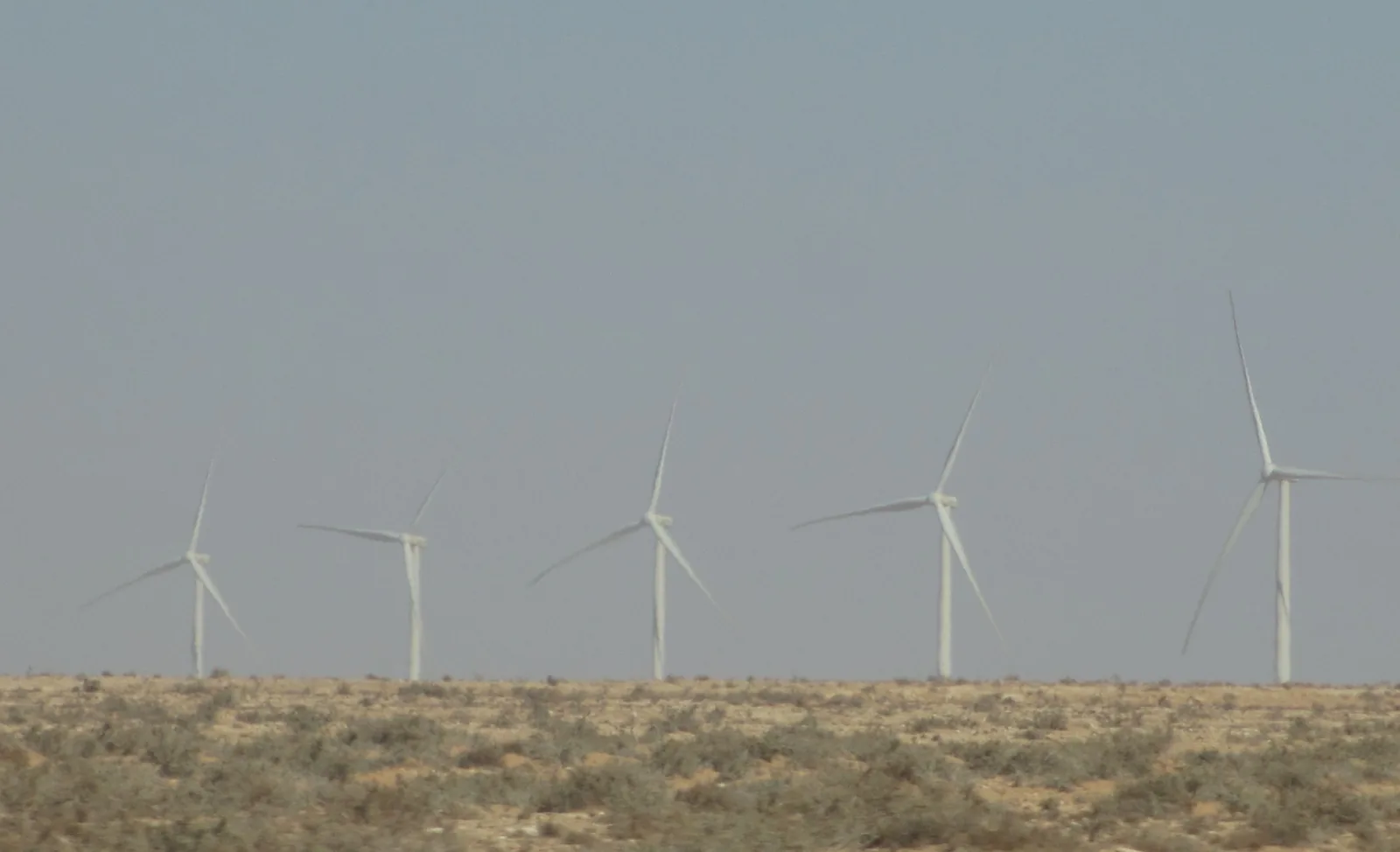
Their model rebuilds hour by hour the year 2024 for the farm’s 56 turbines, 201.6 MW installed, with a 150 MW export limit. Beyond that threshold, some 29.2 GWh a year, or 3.12% of net output, would be lost.
Converting all of it would take a 10.87 MW electrolyzer, yielding 509.7 metric tons of hydrogen a year at a levelized cost of 2.866 euros per kilogram.
The figure describes neither a project nor a contract: the authors reason on a hypothetical installation, with the farm’s overall losses set at 20% by assumption and perfect foresight of the coming wind.
Each slice of surplus recovered costs more than the last, and the electrolyzer would run only 3,198 hours a year. The loss assumption weighs heavier still: cut to 10%, it would lift the surplus to 102 GWh.
Morocco is aiming for 52% of its installed power capacity from renewables by 2030, the authors recall, and grid connections will then weigh as much as the turbines.
Photo: TEDxTarfaya, CC BY-SA 2.0.
Hydrogen (MDPI), Bibih, Choukri, El Khaili, Chakir - Techno-Economic Optimization of Wind-to-Hydrogen Integration for Progressive Curtailment Reduction Under Grid Export Constraints