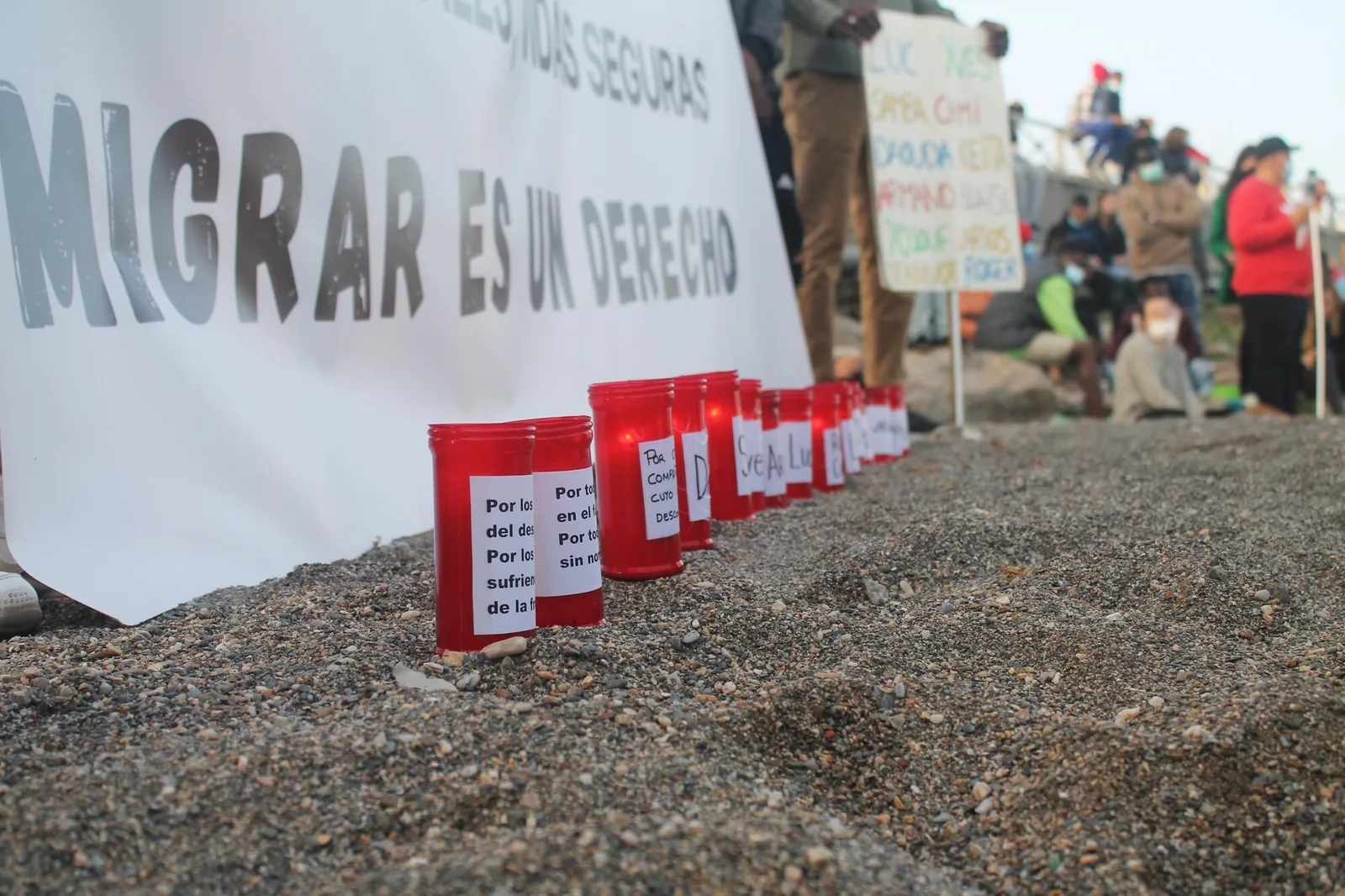
n 6 February 2014, shortly before dawn, close to two hundred men entered the water from the beach at Fnideq and swam toward the Tarajal jetty. They were a few dozen meters from Spanish sand when the Civil Guard deployed riot equipment, smoke grenades and rubber bullets fired toward the sea. Neither the Spanish guards nor the Moroccan soldiers posted on the other shore went to the aid of those going under. Fifteen bodies will be recovered on the Spanish side, and others will remain missing.
The investigation will be opened, closed, reopened and, in January 2018, closed again. In 2022 the Spanish Supreme Court will reject the final appeals and shelve the case for good. Not a single person will have been tried.
On 30 July 2026, on the same water, between the same beach and the same jetty, sixty-seven bodies were recovered.
Between those two dates an economic transformation took place, and July’s rush is its direct consequence. Let’s go back, then, to the story of a gate, the one they call Bab Sebta, to understand why tens of thousands of young Moroccans chose the sea on a Thursday morning.
A border born of a treaty and a fence
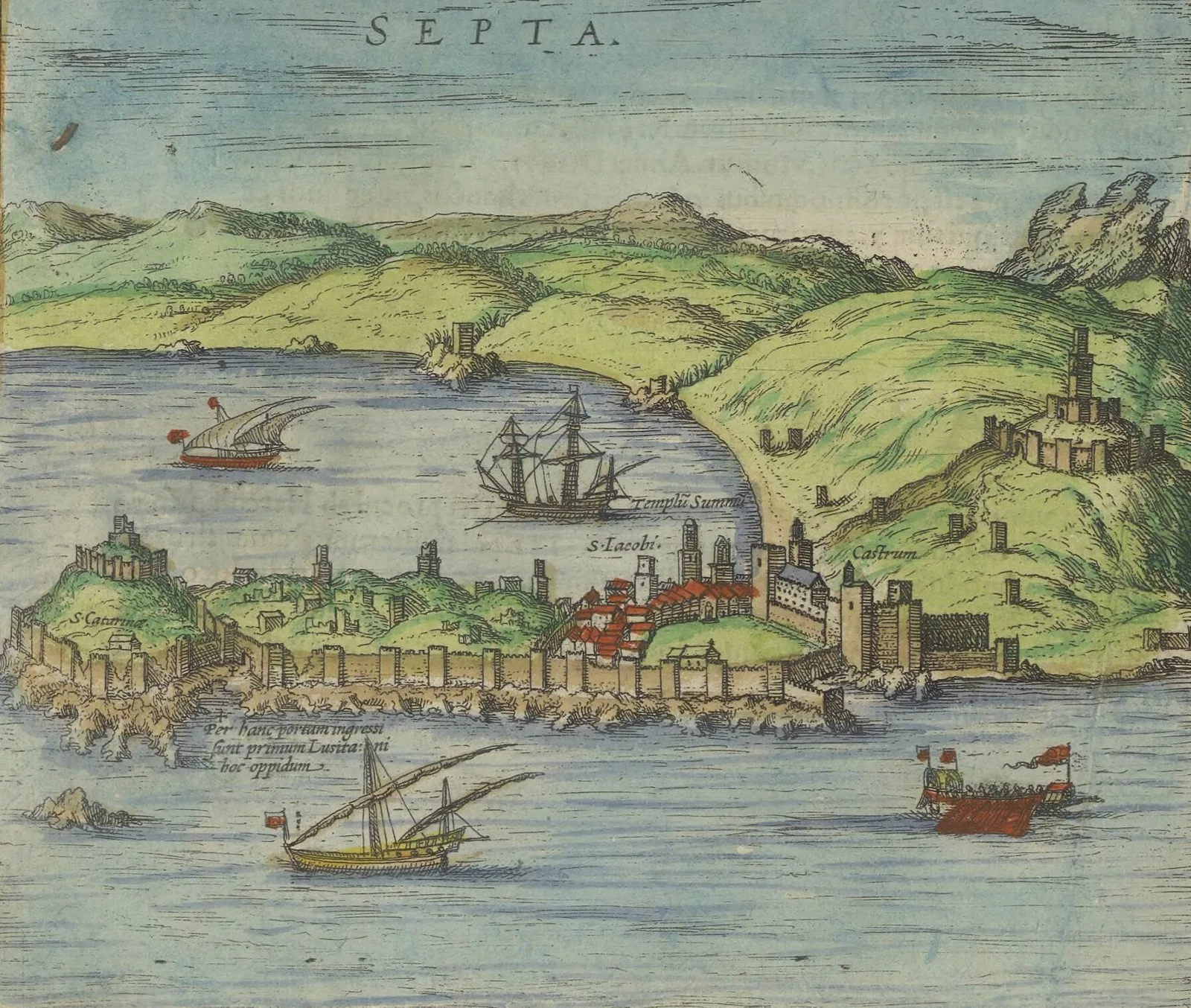
Sebta is Spanish by dynastic accident: taken by the Portuguese in 1415, it’ll remain tied to the Spanish Crown when Portugal recovers its independence in 1640, and the Treaty of Lisbon of 1668 will confirm the arrangement. For three centuries the border will be no more than an administrative line, crossed on foot.
What the fence produced
The fence itself is recent, since the first one only went up in 1993, two and a half meters high. Wire will be added in 1995, and in 1996 the men of the Tercio de la Legion and the Regulares will carry on with the structure, which will have to be raised to six meters, ten along the most contested stretches.
You should know that the European Union financed three quarters of it, which makes the Sebta fence a European structure as much as a Spanish one.
As the fence rose, those who wanted to cross stopped climbing and started swimming. Tarajal is the one place where the fence stops, and that is where the drownings concentrate, in a sea with violent currents. In 2020 the razor wire was replaced by inverted combs, a gesture of humanity on a structure whose function stays the same.
Bab Sebta, or the economy of a gate
A few hundred meters from that fence there existed another border, commercial and tolerated. Every day thousands of people crossed Bab Sebta loaded with goods bought in the presidio and resold in Morocco. The system had its unwritten rules and its figures, notably the porteadoras, the women they called mule-women, bent under bundles that sometimes weighed more than they did.
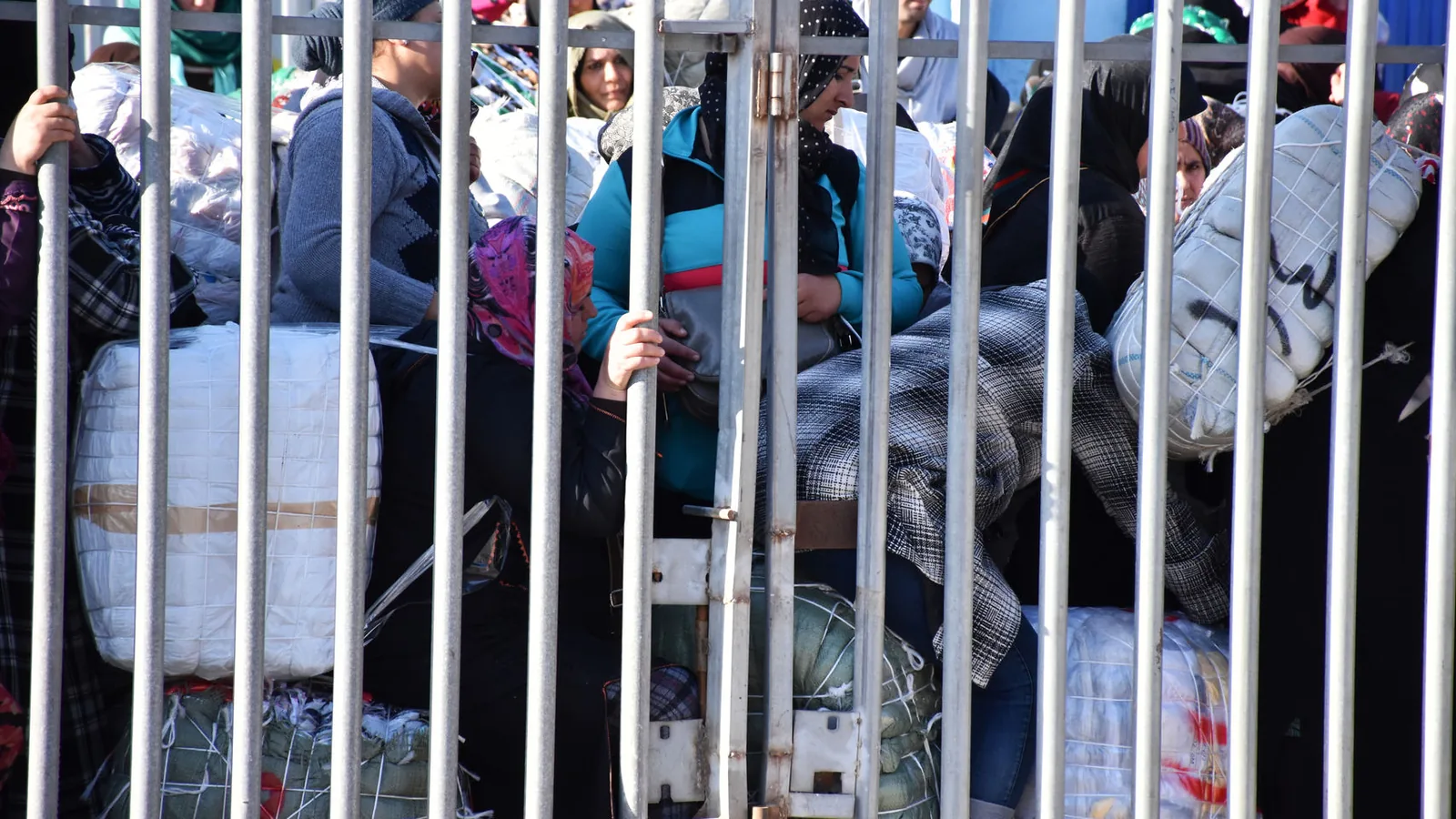
Morocco’s customs administration valued that trade at between six and eight billion dirhams a year, which is to say between five hundred and fifty and seven hundred and fifty million euros. It was the economy of Fnideq, of M’diq and of part of the western Rif, and a whole town lived off the gate.
In 2019 Rabat closed Bab Sebta and Bab Melilia to that flow. The decision put an end to the images of mule-women bent under their bundles.
In March 2020, the Tarajal post was closed altogether following the pandemic. Add to this that urban unemployment in the prefecture of M’diq-Fnideq stood at 18% as early as 2019, double the national average, and the gate thus closed on a population that had no other resource.
The zone that was to replace the gate
Rabat’s answer came in April 2022 with the Fnideq Economic Activity Zone (ten hectares, seventy-six warehouses), an import and distribution platform carrying customs advantages in order to tip traders into the formal economy. The instrument works, since between April 2022 and July 2023 it logged nine hundred and one import operations for six hundred and eighty-six million dirhams and recovered two hundred and twelve million in duties and taxes, above target, for an occupancy rate of 83%.
The order of magnitude, on the other hand, does not compare, since the zone was aiming at a thousand stable jobs while replacing an economy valued at six to eight billion dirhams. The distance between what the gate kept alive and what the zone can feed remains to be closed, and the young of Fnideq have lived with that shortfall for six years.
July 2026: a ruling, a rumor, a rush
On 8 July 2026 the fifth section of the administrative chamber of the Spanish Supreme Court made public a ruling intended to unify jurisprudence. It was hearing the case of an Algerian national intercepted at sea while swimming toward Sebta, the latter then being handed to Moroccan authorities without any procedure whatever.
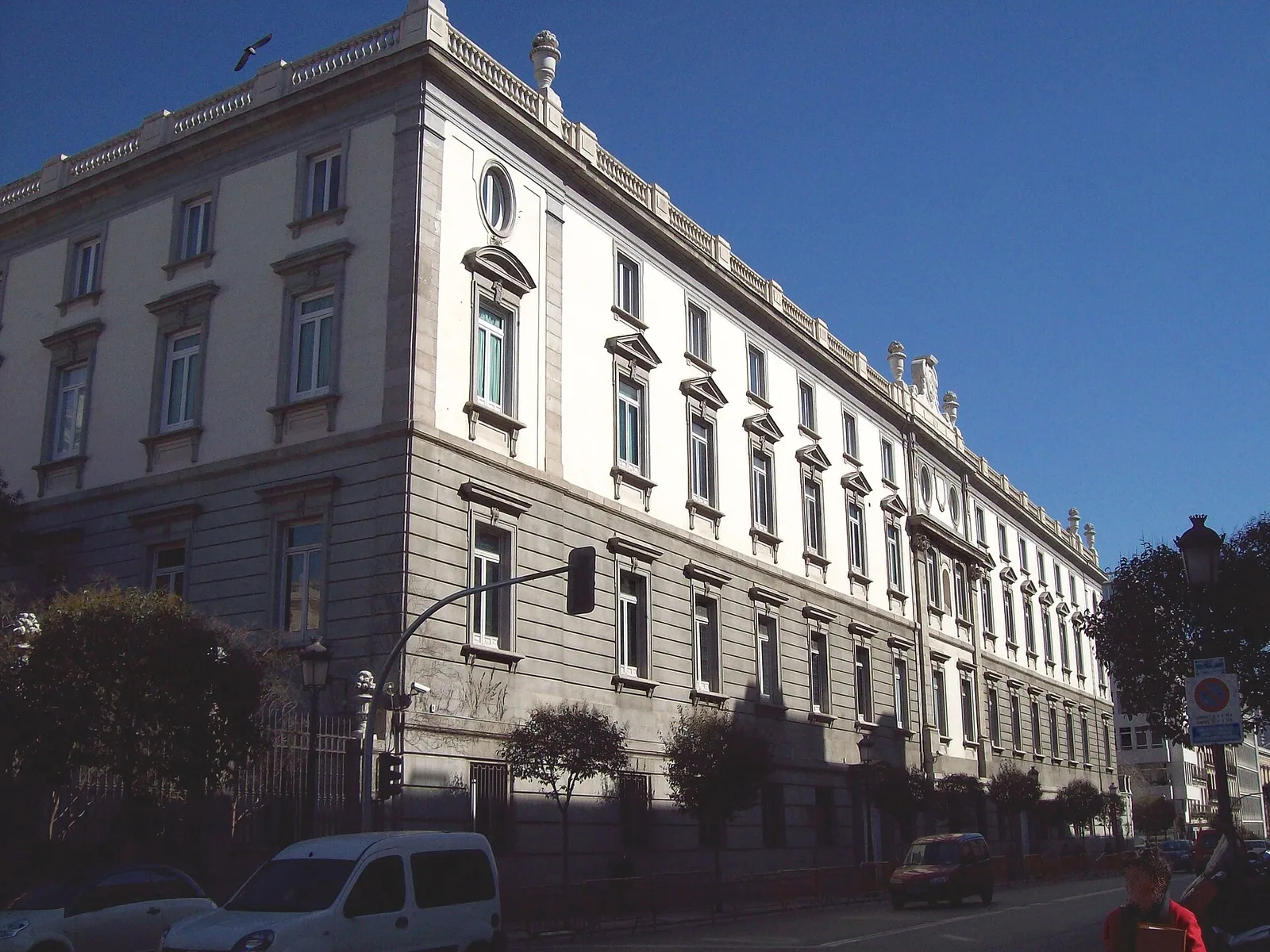
The court held: the provision authorizing immediate pushbacks applies only against physical elements of border containment. A fence meets that definition, the sea does not, and neither drones, nor cameras, nor radar stand in for a barrier. The consequence is narrow and purely procedural, since anyone arriving by sea must be identified and given an individual examination, with a lawyer and an interpreter, but the ruling does not confer a right of residence.
However, between the courtroom in Madrid and the beaches of Fnideq, the news was distorted. The version that traveled said that touching the shore was enough to stay.
On the night of 27 July, the Tetouan section of the Moroccan Association for Human Rights reported a collective crossing it called a “great escape.” On the morning of the 28th the Royal Gendarmerie detained some fifteen hundred people along the shoreline at Fnideq and Belyounech. By the 30th the crowd was larger than the containment line. Within twenty-four hours fifty thousand people according to Madrid, sixty thousand according to the president of Sebta, crossed the water toward a city of eighty thousand inhabitants.
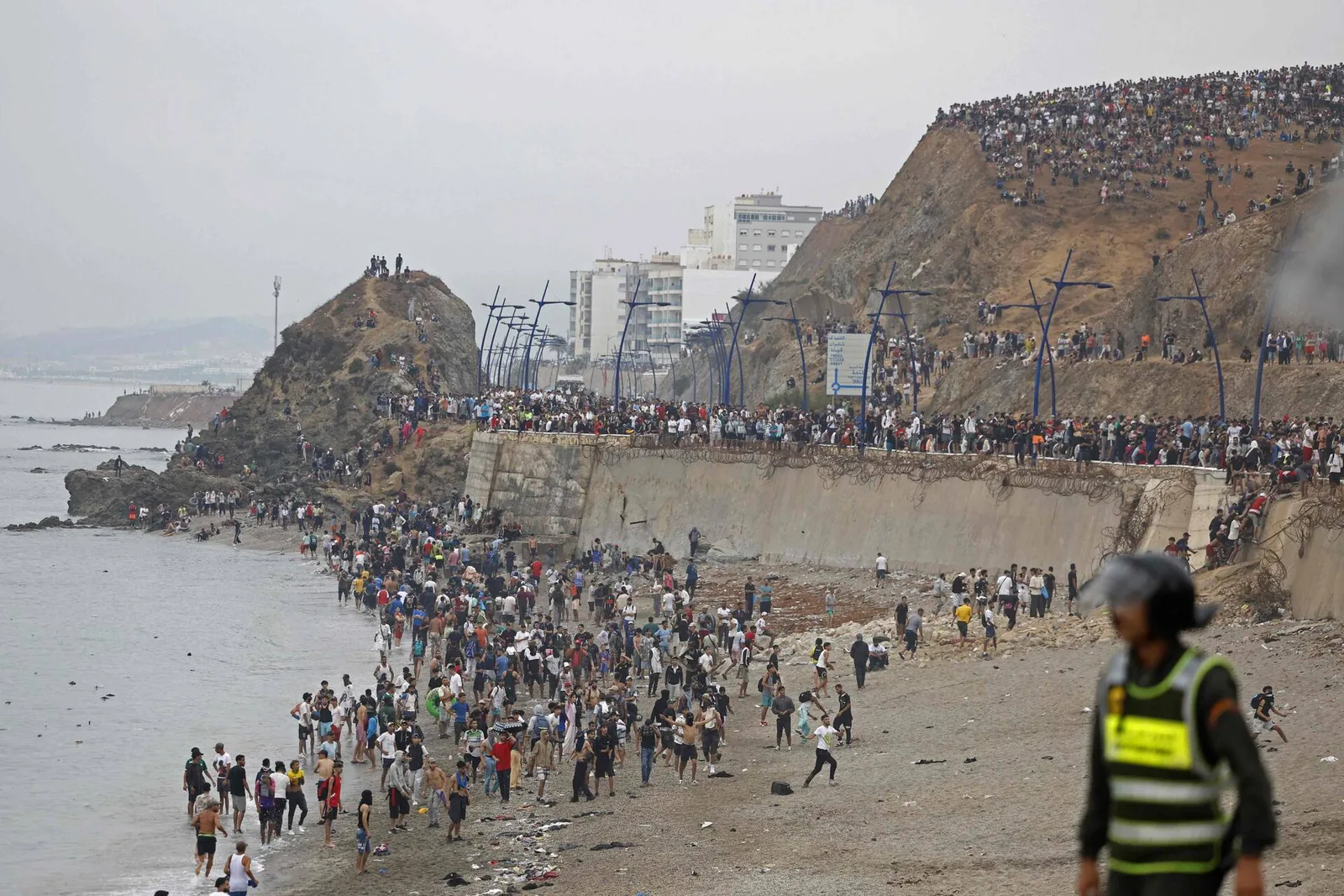
Madrid sent almost all of them back within forty-eight hours, at a rate the Interior Ministry described as “150 personas por minuto.” On 1 August, the Civil Guard then laid a five-hundred-meter floating barrier in the water off Tarajal.
Indeed, the ruling of 8 July had specified that immediate pushbacks would become lawful again the day the border line was materialized at sea. With that barrier, Spain thus met the condition twenty-four days after the ruling.
The children who stay
Sixty-seven bodies were recovered, and ninety-seven people have died on the coasts of Sebta since January, while the whole of 2025 had seen forty-six.
More than a thousand unaccompanied minors will not be leaving, since Spanish law and international conventions alike forbid returning a child against their will. Each one opens an individual protection procedure, and those who do not go back of their own accord remain under the guardianship of the administration. Before the rush, Sebta’s center for minors was past 2,400% of capacity, and one minor, turned back on the Moroccan side, returned to Sebta by swimming.
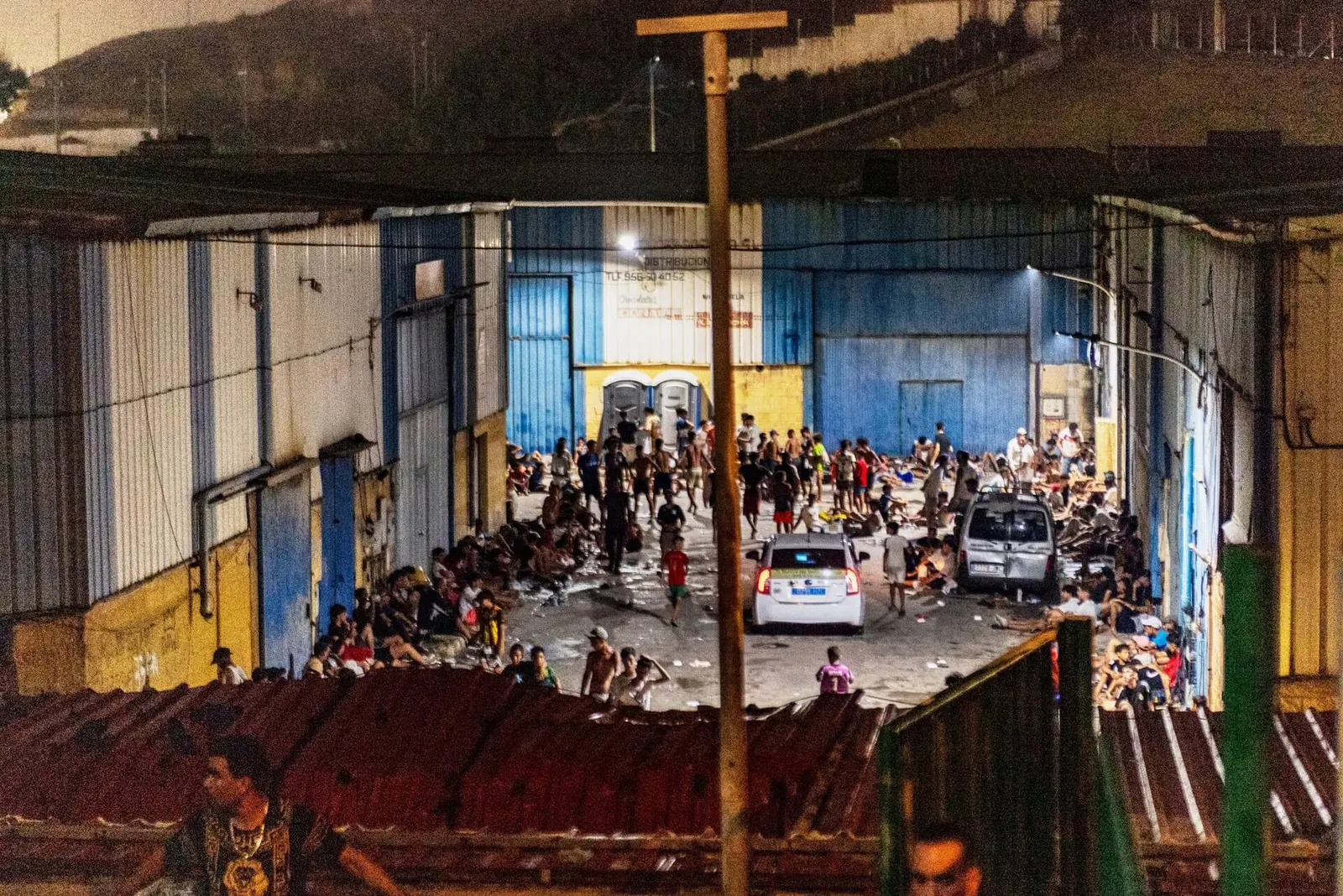
What the sea gives back
With the Tarajal floating barrier, the border line is now materialized at sea, which, according to the ruling of 8 July, is enough to make immediate pushbacks lawful again. Those who reach it by swimming will thus be handed to Moroccan authorities without an individual examination, and the Civil Guard will be able to return at sea to the practice the Supreme Court had just forbidden it.

The beach carries the name of a shrub, the tarajal, the tamarisk that grows in salt and holds the sand.
Tribunal Supremo, Sala de lo Contencioso-Administrativo, sección V — ruling on the inapplicability of the “rechazo en frontera” to people intercepted at sea, made public 8 July 2026.
Ministerio del Interior (Spain) — communique on the situation in Sebta, 30 July 2026, and hourly tallies of returns, 31 July 2026.
La Moncloa — statement by the Spanish prime minister in Sebta, 31 July 2026.
Moroccan Customs Administration (Morocco) — valuation of the Bab Sebta smuggling trade and results of the Fnideq Economic Activity Zone.
Le Desk — reporting on the 30 July rush, the Beni Ansar clashes and the return agreement, 31 July 2026.
Médias24 — chronology of the Spanish ruling and the repatriations, 30 July 2026.
Maldita.es — fact-check of the figures and viral claims, 30 July 2026.
Association marocaine des droits humains, Tetouan section — alerts of 27 and 29 July 2026.
El Faro de Ceuta et Ceuta Actualidad — field coverage in Sebta, 30 July to 2 August 2026.
Il Sole 24 Ore — “Spain: floating containment barriers now in place off the Tarajal quay in Ceuta,” 3 August 2026, with the Spanish Interior Ministry’s statement and the EPA photograph.
Migreurop et Caminando Fronteras — documentation of the Tarajal tragedy of 6 February 2014 and its judicial process.