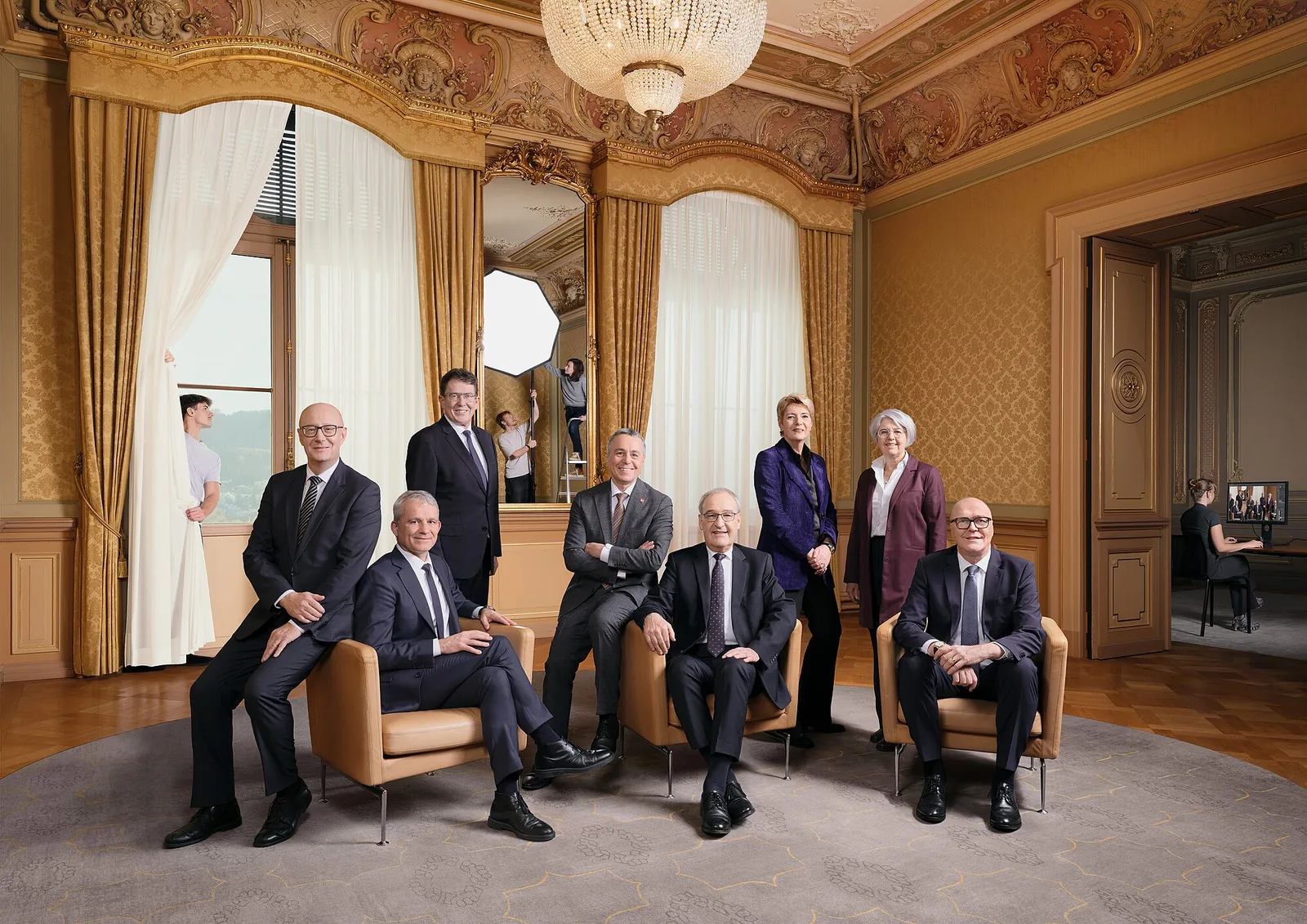
On September 25, the Swiss Federal Council approved a report on supporting, in partner countries, the production of synthetic energy carriers, meaning for the most part derivatives of hydrogen made from renewable electricity.
Four countries show potential for targeted technical cooperation according to Bern: South Africa, Indonesia, Morocco and Vietnam. Because of its geographic proximity to Europe, the Kingdom “seems the most interesting country” among them.
For the partnerships it envisages between the federal institutes of technology, universities of applied sciences, Swiss companies and Moroccan institutions, the report settles the matter: “Morocco would be the priority.”
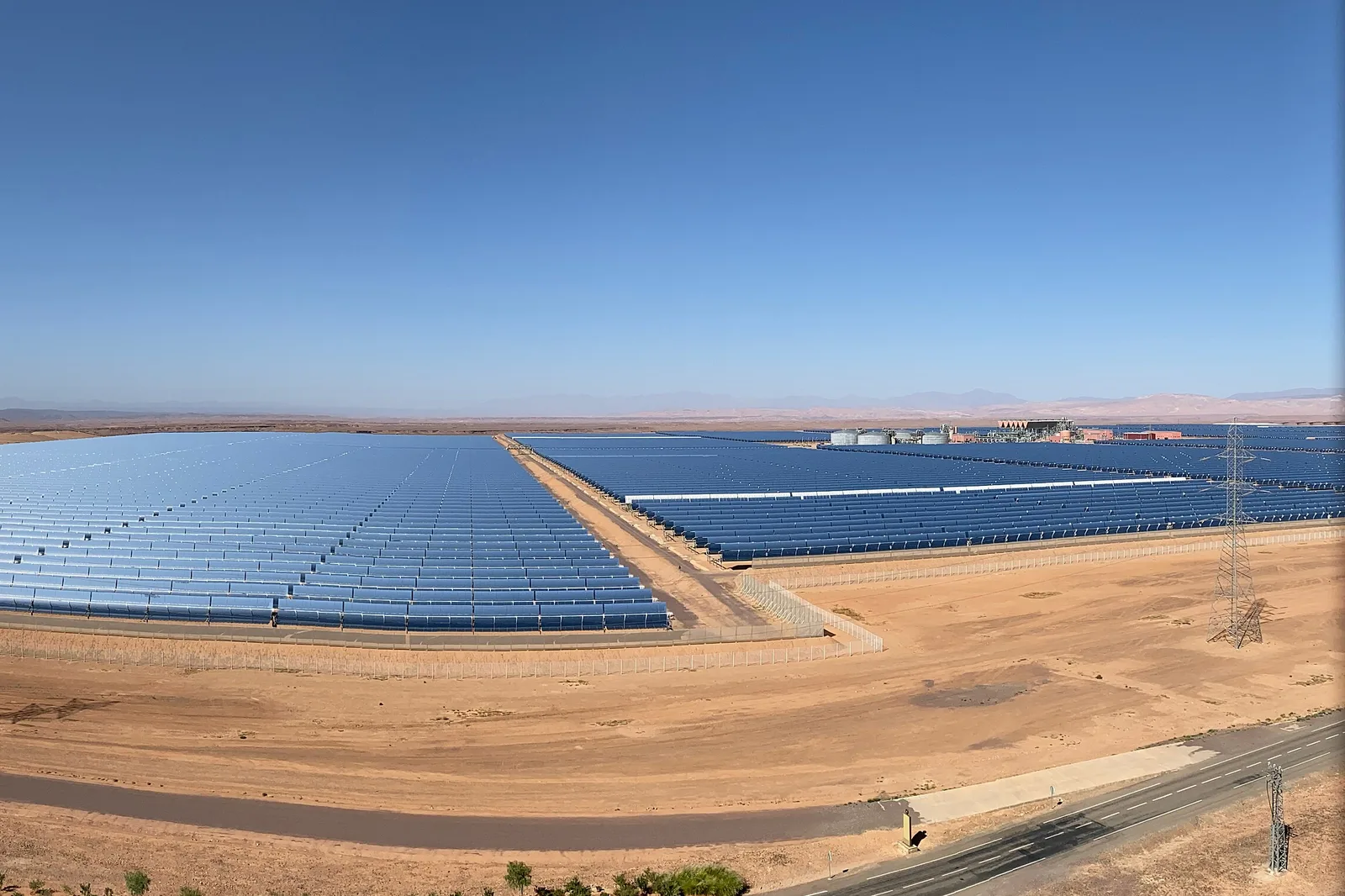
Bern points to a national strategy that covers the whole value chain, considerable solar and wind resources and the experience of large solar projects. It also notes the shortage of water in the south.
Federal generosity stops there, however: citing among other things a lack of funds, the Federal Council rules out both a climate fund and a state guarantee against investment risk, and considers any new support instrument unnecessary for now.
Photo: Richard Allaway, CC BY 2.0.
Secrétariat d’État à l’économie (SECO) - Agents énergétiques de synthèse: l’introduction de nouveaux instruments de soutien n’est pas nécessaire
Conseil fédéral suisse - Énergies synthétiques. Développement de sites de production et approvisionnement international. Rapport du Conseil fédéral en exécution du postulat 23.4268 Schaffner